
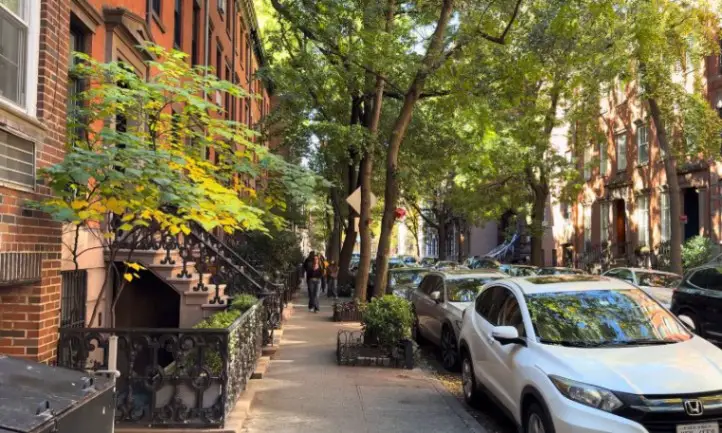

New York City has been pulling people back in again, quietly but decisively. After the pandemic-era drop, the city’s population reached about 8.48 million residents as of July 2024, marking two straight years of growth.
The U.S. Census Bureau also counted New York City among major cities posting large numeric population gains from 2023 to 2024. More people in the city always means one thing first: pressure on housing. Where that pressure lands inside the five boroughs tells a bigger story about how New Yorkers are reshaping daily life in 2025.
There is no single live scoreboard that tracks completed moves, neighborhood by neighborhood. The clearest real-time signal comes earlier in the process, when people search, tour, apply, and compete.
Housing search behavior offers one of the best public indicators of move intent, especially when it is tracked consistently.
The pattern is clear. Brooklyn and Queens dominate the list. The neighborhoods drawing interest range from already established names to areas one or two rings out, where people are hunting for more space, slightly softer pricing, or a different pace without leaving the city.
Today, we will take a look at New York neighborhoods people are moving toward most in 2025, why each area is pulling attention, and how rental and buyer conditions shape whether those moves actually happen.
How Move-in Interest Is Measured in 2025
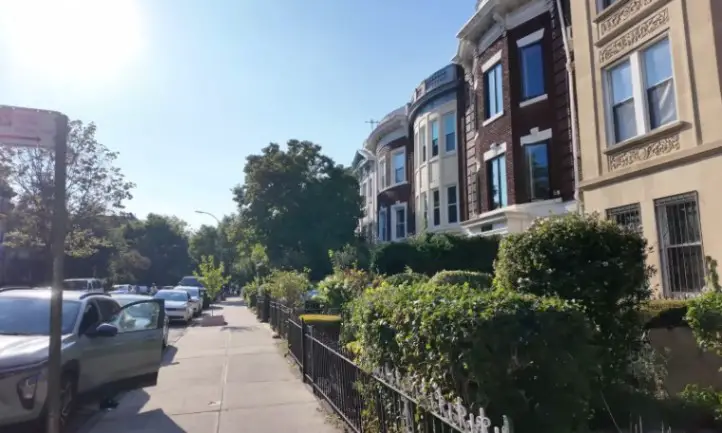
Neighborhood-level move-in counts are not published in real time. Instead, analysts rely on proxies that signal intent before a lease is signed or a contract is closed. Secondary signals help validate the picture:
- Buyer opportunity zones where inventory rose, and price cuts became more common, since easier buying conditions often pull in owner-occupants.
- Rental supply and rent trends in 2025, which determine whether people can realistically land an apartment once interest spikes.
A rise in searches does not guarantee a completed move. Still, it remains one of the strongest and most transparent indicators of where people are trying to go.
The 10 NYC Neighborhoods Drawing the Most Move-in Interest for 2025
This list is dominated by Brooklyn and Queens, with one Upper Manhattan neighborhood rounding out the top 10.
It captures both neighborhoods that are already well known and areas gaining momentum as people adjust expectations around cost, space, and commute.
Snapshot of Move-in Interest
|
Rank |
Neighborhood | Borough | YoY search growth | Median asking rent | Median asking price |
| 1 | Ridgewood | Queens | +13.2% | $3,250 (+8.3%) | $1.295M (+8.4%) |
| 2 | Greenwood | Brooklyn | +10.7% | $3,500 (+11.0%) | $860K (+4.9%) |
| 3 | Long Island City | Queens | +8.5% | $4,148 (+3.7%) | $1.123M (-4.4%) |
| 4 | Sunnyside | Queens | +7.8% | $2,500 (+4.2%) | $429K (+4.9%) |
| 5 | Windsor Terrace | Brooklyn | +7.2% | $3,592 (+15.9%) | $1.29M (+3.2%) |
| 6 | Fort Greene | Brooklyn | +7.2% | $4,200 (+6.7%) | $1.949M (+0.5%) |
| 7 | Prospect Heights | Brooklyn | +7.2% | $3,875 (+7.9%) | $1.382M (+2.1%) |
| 8 | Crown Heights | Brooklyn | +6.4% | $3,150 (+3.3%) | $1.175M (+2.3%) |
| 9 | Prospect Lefferts Gardens | Brooklyn | +5.9% | $2,950 (-0.5%) | $1.195M (+7.7%) |
| 10 | Morningside Heights | Manhattan | +5.8% | $4,000 (+2.1%) | $1.257M (+2.0%) |
1. Ridgewood, Queens
Ridgewood sits at the top of the list with the strongest year-over-year search jump at +13.2%. Median asking rent stands at $3,250, while the median asking price is about $1.295M.
Ridgewood keeps pulling people in because it balances energy with a more residential feel. It sits close to Bushwick’s creative scene and nightlife while offering calmer blocks and housing stock that feels livable day to day.
Pricing no longer reads as cheap, yet many renters and buyers see enough value in the mix of vibe, layout, and location to keep competing.
The main reality check involves competition. High demand shows up in faster leasing, fewer concessions, and tougher screening. The best apartments rarely linger.
In markets where apartments lease fast, having flexible dates and reliable New York moving companies already scheduled can make the difference between landing a unit or missing out.
2. Greenwood, Brooklyn
Greenwood posts a +10.7% increase in searches year over year. Median asking rent sits at $3,500, with a median asking price near $860K.
Greenwood appeals as a compromise inside Brooklyn. Transit access connects residents to familiar destinations, while pricing often feels less punishing than the most publicized brownstone neighborhoods. For many movers, Greenwood offers room to breathe without losing Brooklyn credibility.
Micro-location matters here. Noise levels, building types, and train access change quickly from block to block, so touring with intention matters.
3. Long Island City, Queens
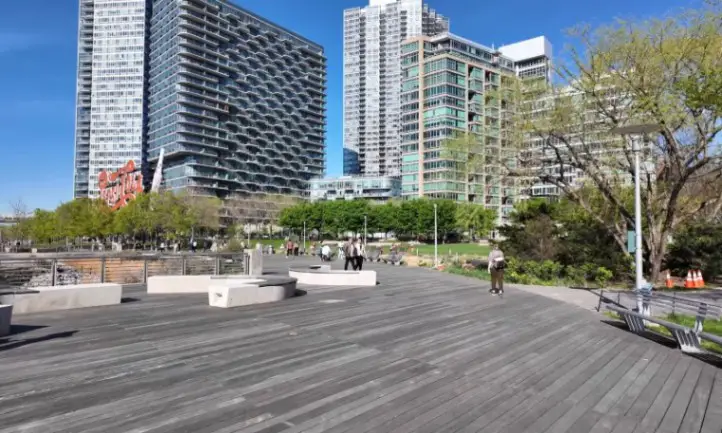
Long Island City remains a classic convenience play. Searches rose +8.5% year over year. Median asking rent is $4,148, and the median asking price stands at $1.123M, down about 4.4% year over year.
Fast commutes and modern building stock keep LIC in demand. The dip in median asking price has also caught buyer attention, especially among people priced out of comparable convenience in Manhattan. For renters, new construction means predictable layouts and amenities.
Costs hide in the details. Amenity fees, high common charges, and strict move-in rules can reshape affordability quickly, especially for buyers.
4. Sunnyside, Queens
Sunnyside stands out on affordability. Search growth hit +7.8% year over year. Median asking rent sits at $2,500, with a median asking price of $429K.
Relatively quick Manhattan access paired with approachable pricing makes Sunnyside a mental unlock for many movers. That purchase price attracts first-time buyers focused on co-ops, while renters benefit from one of the lower baselines on the list.
Co-op boards add friction. Approval timelines and financial requirements extend the process, which matters for people on tight schedules.
5. Windsor Terrace, Brooklyn
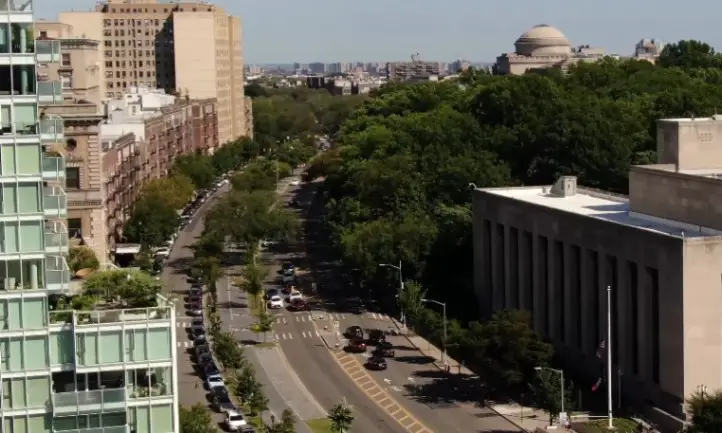
Windsor Terrace recorded +7.2% search growth and one of the sharpest rent jumps on the list. Median asking rent reached $3,592, up 15.9% year over year. Median asking price is about $1.29M.
Proximity to Prospect Park drives interest. Many movers see Windsor Terrace as a way to live near the park without paying full Park Slope pricing. Once that label sticks, demand moves quickly.
Rapid demand shifts show up first for renters. Days on market shrink, and “best and final” scenarios become common.
6. Fort Greene, Brooklyn
Fort Greene also shows +7.2% search growth. Median asking rent is $4,200, while the median asking price is close to $1.949M.
Fort Greene carries an established reputation. Transit, cultural institutions, and a varied housing mix attract higher-income renters and buyers focused on location and lifestyle. Moves here tend to be deliberate and budget-aware rather than bargain-driven.
Pricing already sits high, so motivation usually centers on commute efficiency and neighborhood identity.
7. Prospect Heights, Brooklyn
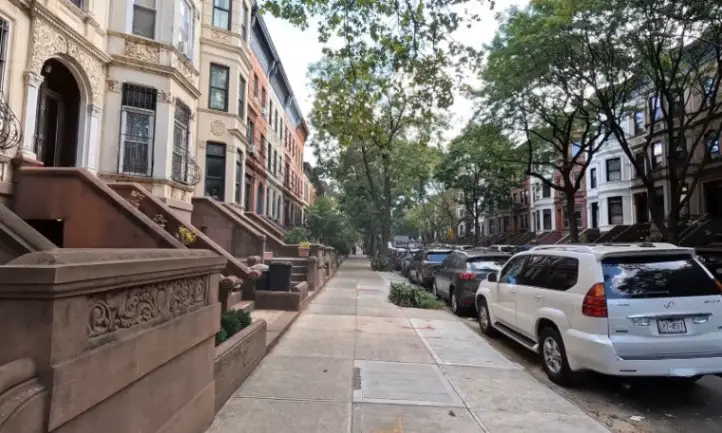
Prospect Heights matches Fort Greene at +7.2% search growth. Median asking rent stands at $3,875, with a median asking price of $1.382M.
Park access and cultural anchors define the draw. Many movers see Prospect Heights as offering a calmer baseline than some nearby areas while staying well connected.
Inventory remains tight. Well-priced units move quickly, especially those near transit or park edges.
8. Crown Heights, Brooklyn
Crown Heights posts +6.4% year-over-year search growth. Median asking rent is $3,150, with a median asking price of $1.175M.
Size works in Crown Heights’ favor. The neighborhood spans multiple subway lines and sub-areas, offering more variety in housing types and pricing than tighter brownstone districts. New development continues to expand options.
The challenge lies in focus. Narrowing by commute line and sub-neighborhood helps avoid mismatches between expectations and daily routines.
9. Prospect Lefferts Gardens, Brooklyn
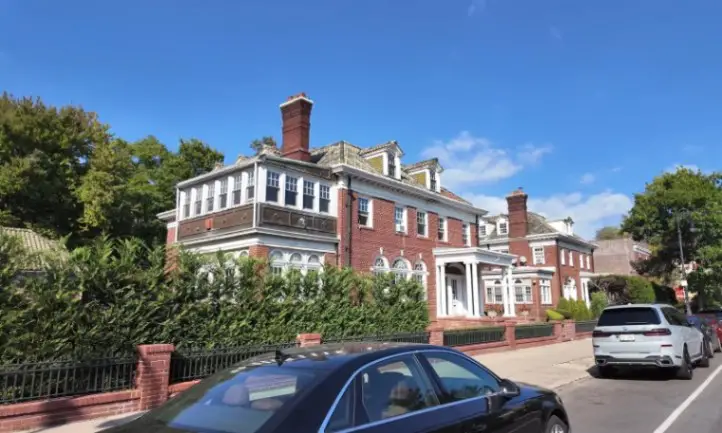
Prospect Lefferts Gardens shows +5.9% search growth. Median asking rent is $2,950, slightly down year over year, while the median asking price rose to $1.195M, up 7.7%.
Relative rental value anchors demand. Rents sit meaningfully below the Brooklyn median, drawing renters who want space without moving far from Prospect Park. Buyer competition tells a different story, with prices climbing faster.
Renters and buyers experience the market differently here, which shapes strategy.
10. Morningside Heights, Manhattan
Morningside Heights rounds out the list with +5.8% search growth. Median asking rent is $4,000, and median asking price is $1.257M.
Institutional anchors, green space access, and Upper Manhattan location pull steady interest. Morningside Park, Riverside Park, and proximity to the north end of Central Park matter to people prioritizing outdoor space.
Academic calendars influence leasing cycles. Certain unit types see seasonal competition spikes tied to the school year.
What 2025 Rental Conditions Mean for Movers
Popularity alone does not complete a move. The rental market sets the rules.
In July 2025, median asking rent reached $4,600 in Manhattan, $3,600 in Brooklyn, and $3,200 in Queens.
Several patterns shape behavior:
- Queens value drives interest. Sunnyside’s $2,500 median asking rent stands well below the Queens-wide figure.
- Park-adjacent areas reprice quickly. Windsor Terrace’s 15.9% rent jump highlights how fast demand shifts once a neighborhood gains attention.
- Convenience retains its premium. Long Island City posts the highest rent on the watchlist, yet demand persists because commute efficiency matters.
Renters moving in 2025 need speed, preparation, and realistic expectations around concessions and competition.
Where Purchasing Feels More Possible in 2025
Not every move involves a lease. Buyer-focused signals highlight neighborhoods where inventory growth and price cuts reduce friction for people planning to live in the unit they buy.
| Neighborhood | Buyer signal | Meaning for move-ins |
| Boerum Hill | Inventory up 15.8% year over year, 17% price cuts | More chances near prime brownstone zones |
| Long Island City | Inventory up 23.7%, median ask down 5.3% | Greater negotiating room in a high-demand hub |
| Brooklyn Heights | Inventory nearly doubled, median ask down 1.9% | Rare increase in options in a prestige area |
| Gramercy Park | Inventory up 22.2%, 11% price cuts | More selection in a tight Manhattan pocket |
| Chelsea | Inventory up 18.4%, 18% price cuts | Higher odds of seller flexibility |
| Bensonhurst | Inventory up 39.3%, median ask down 7.0% | Outer-borough buying feels more attainable |
| Woodside | Inventory up 23.5%, median ask down 9.3% | Queens demand meets more supply |
| Brighton Beach | Median ask down 9.1%, 19% price cuts | Pricing flexibility near the water |
| Dyker Heights | Inventory up 40.2%, median ask down 10.8% | More listings plus softer pricing |
| Park Slope | Inventory up 32.4%, 17% price cuts | Even premium areas open briefly |
Inventory growth changes psychology. More listings reduce urgency and create room for negotiation, which matters for buyers planning long-term residency rather than quick turnover.
Why Brooklyn and Queens Dominate the 2025 Moving Conversation
View this post on Instagram
StreetEasy’s framing cuts straight to the point. More New Yorkers are looking across the East River. Neighborhoods with lower price points than Manhattan and more new development stand ready to absorb demand.
Citywide conditions reinforce that trend:
- Population growth increases household competition.
- Policy and development efforts, including office-to-residential conversions and zoning reforms, aim to add supply, though outcomes vary block by block.
Research groups like the NYU Furman Center track deeper neighborhood indicators around housing, demographics, and land use, offering additional context on how popularity translates into measurable change.
Where the Momentum Points Next
The neighborhoods drawing move-in interest in 2025 share a common thread. They offer a workable balance between cost, access, and daily livability in a city where trade-offs define every decision.
Brooklyn and Queens continue to absorb demand from people who want space, value, or a manageable commute without leaving New York behind.
Move-in interest does not stand still. Search behavior shifts as rents, inventory, and transit patterns change. For now, the data points to a city stretching outward, block by block, while holding tight to what makes living here worth the effort.