


New York City is a place where 60-hour weeks are normal, where social calendars fill up three weeks in advance, and where the cost of living alone can feel like a full-time job. There’s an energy to the city that pulls you in, but if you’re not careful, that same energy can burn you out.
Finding balance here isn’t about meditating in Central Park once a month and calling it “self-care”, It takes real effort, sharp choices, and sometimes, saying no when every fiber of your being is trained to say yes. Here’s what has actually helped me, and plenty of others, carve out a version of balance in a place that doesn’t exactly hand it to you.
Know What “Balance” Means to You
Everyone has a different threshold. For some, working 9 to 7 is totally manageable as long as the weekends are free. Others want clear cutoffs: laptop closed at 5:30, dinner by 7, and no Slack notifications after that. The important thing is that you need to define it yourself before the city defines it for you. Don’t let the startup hustle culture or the finance grind set your pace. Ask yourself:
- How many nights a week do I want to be home by dinner?
- What’s non-negotiable in my routine (gym, therapy, time with partner)?
- What trade-offs am I willing (or not willing) to make?
Build a Realistic Week, Not a Perfect Day

One of the biggest traps in work-life balance advice is this idea that every day should look “balanced”. Think about your week like a budget. Monday might be work-heavy, Tuesday you cook and hit the gym, Friday’s your social night, Saturday is your reset day. It doesn’t have to be symmetrical, as long as it adds up in a way that feels right. Here’s a quick sample framework:
| Day | Focus | What It Looks Like |
| Monday | Work-heavy | Late hours, prep meals for the week |
| Tuesday | Wellness | Morning gym, early dinner at home |
| Wednesday | Social | Drinks with coworkers or catch-up dinner |
| Thursday | Flex | Finish tasks, maybe a movie night |
| Friday | Personal | Wrap up early, take yourself out |
| Saturday | Rest | No alarms, errands, open evening |
| Sunday | Setup | Groceries, calendar check, light work |
The goal here isn’t perfection; it’s rhythm.
Your Commute Is an Opportunity

If you’re lucky enough to walk to work, use it as a thinking space or low-stakes exercise. If you’re stuck on the train pressed against strangers, try audiobooks, language apps, or just zoning out to music.
What matters is that it becomes a buffer, not another stressor. Don’t check emails unless you have to. If you bike, exercise and transit all at once. If you have a long train ride, download something before you leave the house, since Wi-Fi isn’t always going to be available.
Say “Yes” Strategically
With social life in New York, there’s always something happening: pop-ups, openings, friends’ birthdays, and coworker “mandatory fun” outings. You can’t say yes to all of it, and you don’t have to. A good rule is say yes to one thing that genuinely excites you and one thing you feel obligated to do, max, per week. Give yourself permission to opt out of the rest.
Use Tools That Make Life Easier
Balance doesn’t come from another app notification, but if you’re managing your time by texting reminders to yourself or scribbling on a sticky note in a rush, there are better ways. One thing that’s worked surprisingly well for those juggling roommates, relationships, and packed schedules is using a shared digital calendar that’s mounted in the kitchen.
Something like the Cozyla Calendar can help keep track of everyone’s activities in one place without feeling like you’re constantly coordinating over text. It’s not about adding tech to your life. It’s about reducing the cognitive load so your brain isn’t juggling six things while you’re just trying to make coffee.
Protect Your Evenings
Most people in the city could work forever and still not finish their to-do list. Instead of aiming to finish everything, decide on a cut-off time for most days. After that, unless it’s urgent or life-altering, it waits until tomorrow. Build in rituals to help enforce it:
- Shut down your computer and literally walk away
- Change clothes
- Go for a quick walk around the block
- Set your phone to “Do Not Disturb” for work apps
Eventually, your brain catches on that work mode is over.
Rethink Rest
In New York, you’re surrounded by people doing “big things” all the time. Don’t let that pressure trick you into thinking rest is laziness. While sleep is 100% essential, there’s more to rest than that. Sometimes resting means canceling plans.
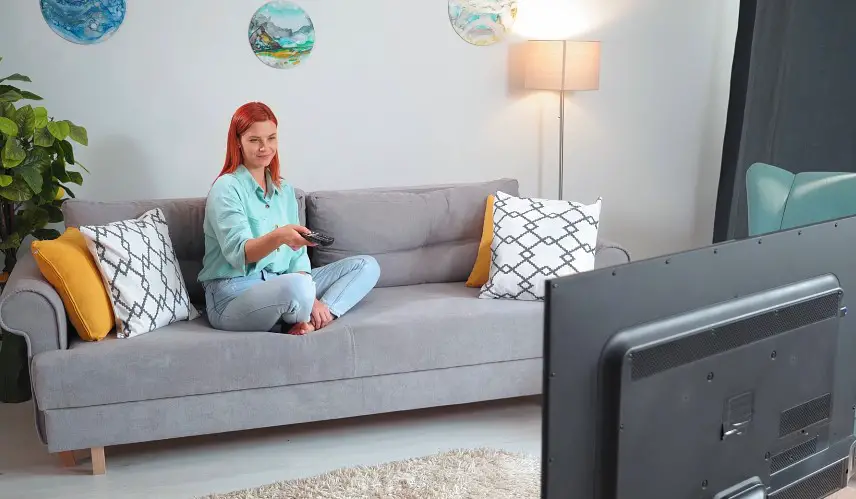
Sometimes it’s laying on the couch watching reruns without guilt. Other times, it’s doing something creative that doesn’t have an outcome tied to productivity, like doodling or trying a new recipe.
Don’t Outsource Your Life Entirely

It’s tempting here to throw money at problems. Delivery three nights a week, laundry service, expensive gyms, you name it. Sometimes it makes sense, but if you outsource everything, you lose a sense of rhythm and ownership over your daily life. Try reclaiming small things:
- Cook one or two nights a week
- Do your own laundry on a quiet Sunday morning
- Walk instead of ride once in a while
They’re small resets that anchor your time, and they can be surprisingly satisfying.
Know When to Leave the City
Here’s the trick most long-time New Yorkers know: you have to leave the city to really enjoy it. Take day trips; hit up Beacon, Cold Spring or find city’s hidden gems. Book a long weekend upstate or visit friends in Philly.
Even spending the night in a quieter borough can reset your system. You’ll come back with a little more mental space, and you’ll notice the city doesn’t feel quite as suffocating when you return.
Social Media Isn’t the Standard
View this post on Instagram
We can often put a lot of pressure on ourselves based on someone else’s highlight reel. That person you follow on Instagram who’s always out in the West Village, who somehow also works in finance and cooks elaborate pasta dishes on Sunday night?
That’s a slice of their life, not the whole cake. Mute people if you need to. Put screen time limits on your apps. Focus on what actually recharges you, not what looks like balance from the outside.
Endnote
Living in New York is like dating someone incredibly charismatic but high-maintenance. You’re drawn in by the energy, the ambition, the sheer variety of life. However, if you don’t stand your ground, it will run you ragged.
Balance here isn’t found; it’s made one decision at a time, one week at a time. It’s knowing that it’s okay to go quiet, to log off, to say no, even when the city keeps whispering that there’s more.