


Brooklyn in 2026 moves into a stronger phase of entrepreneurship driven by tech adoption, culturally grounded consumer habits, and steady population inflows.
NYC continues to rank as a high-output hub for innovation, while Brooklyn attracts founders who aim for agile, community-focused ventures.
Global GDP growth tied to digital markets sets an optimistic backdrop. AI adoption among small businesses passed 58% by mid-2025, showing a fast shift toward automated operations.
New business formation hit $5.2 million applications in 2024, nearly half compared to 2019. Consumer expectations rise in parallel, with strong demand for personalization, sustainability, and wellness-centered services.
Urban residents expect smarter, faster, and greener solutions in nearly every category.
Brooklyn enters 2026 with an atmosphere suited for founders ready to respond to those demands.
1. AI-Powered Business Consulting for Local SMBs

AI-driven consulting aimed at neighborhood operators gives small businesses a practical way to improve accuracy in daily operations.
Local shops, clinics, and home-service companies benefit from data-supported decisions without needing enterprise budgets.
Consultants offering month-to-month engagement create flexibility for owners who cannot commit to long-term agreements.
Brooklyn hosts thousands of independent operators who face rising pressure to keep pace with modern expectations.
Many work without automated intake systems, task management, forecasting models, or customer communication tools.
Demand accelerates as key sectors adopt AI in routine activities.
- Scheduling automation that cuts missed appointments and overtime
- Intake systems that reduce administrative steps for clinics and service firms
- Forecasting tools that improve pricing, inventory, and staffing
- AI-supported communication for faster customer responses
AI access costs falling sharply creates easier entry for small businesses, pushing adoption forward.
Usage more than doubled between 2023 and 2025, demonstrating growing awareness that smarter operations directly protect margins.
Consultants offering tactical implementation and ongoing refinement position themselves as valuable partners for owners who need hands-on help rather than generic advice.
2. Plant-Based and Alternative Food Ventures
Plant-based restaurants, cafes, and delivery-first concepts gain momentum across borough neighborhoods, especially in areas where health-focused shoppers concentrate.
- Cleaner ingredients
- Ethical sourcing
- Inventive food formats
Global interest in alternative proteins continues to grow, with projections reaching more than $160 billion by 2030. Policy forecasts in multiple countries point toward potential meat restrictions by the same year, adding momentum to plant-based investment.
Improvements in flavor and ingredient quality, including shifts toward avocado-oil bases and cleaner proteins, elevate consumer expectations.
Brooklyn residents tend to support socially conscious dining, rapid innovation in menus, and home-delivery models aligned with wellness.
Founders entering the plant-centric category see strong traction due to local values and steady foot traffic.
3. Workforce Reskilling and Trade Training Hubs

Reskilling programs aimed at displaced workers offer substantial opportunity as NYC navigates a shifting employment environment.
Many residents who exited tech or creative roles after large layoffs pursue careers that offer stability, hands-on engagement, and stronger long-term demand.
Trades such as HVAC, electrical work, data-center maintenance, and installation services resist automation and maintain solid wage structures.
Skill shortages intensify across the country, with more than 400,000 openings in trades today and projections nearing two million by 2033.
October 2025 produced the largest job reduction in over twenty years, driving interest in training pipelines that support secure career transitions.
Brooklyn’s immigrant population and growing number of women interested in skilled trades create fertile ground for inclusive programs.
For founders building reskilling ventures, early alignment with strong governance models becomes increasingly valuable, especially as private equity shows growing interest in scalable education platforms.
Resources like the Private Equity Hub guide how investor-backed businesses can structure their boards, implement value-creation plans, and prepare for growth.
- Underrepresentation of women in construction roles at roughly 5%
- Need for faster certification paths due to rising job vacancies
- Growing adoption of VR and AI tools that accelerate training
4. Vertical Farming and Smart Urban Agriculture
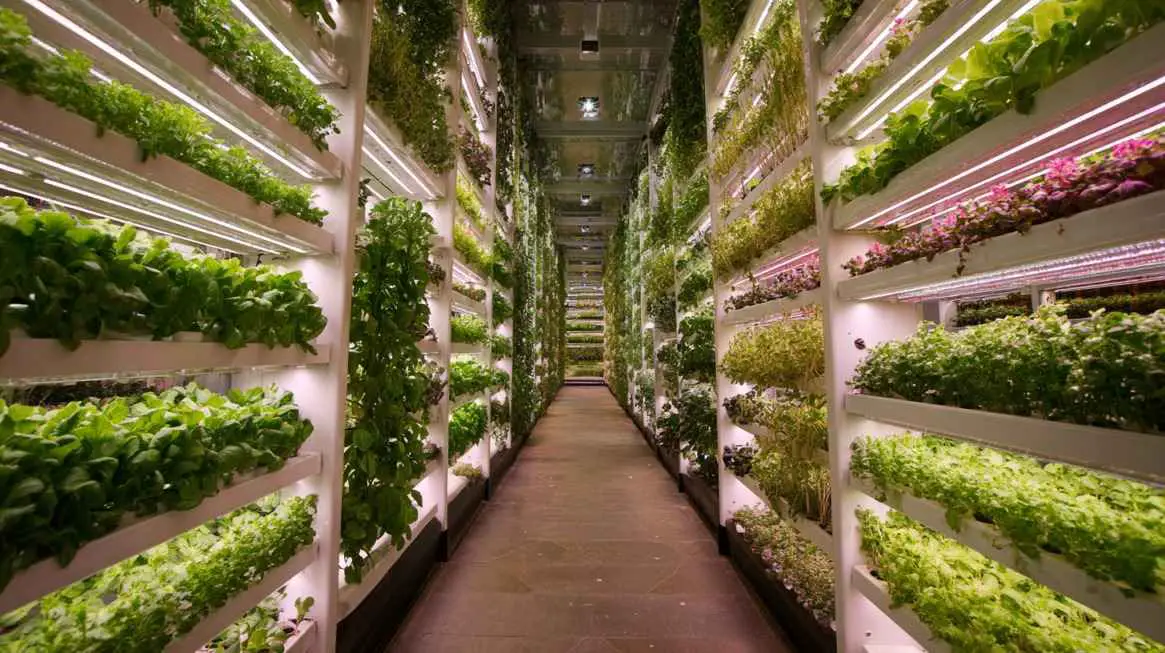
Indoor farming approaches built around hydroponics, AI controls, and IoT monitoring create promising openings for Brooklyn founders.
Rooftops, unused industrial floors, and adapted warehouses across Bushwick, Bed-Stuy, and Gowanus offer physical capacity for compact, high-output farms.
Year-round production appeals to retailers and consumers who prefer locally grown produce free of pesticides.
Industry growth projections exceed 18% by 2026, driven by interest in climate-resistant food systems.
Smart farms use less water dramatically and avoid weather disruptions, giving operators consistent yields. Commercial installations often begin near $250,000, drawing founders who have access to capital or investor participation.
- Demand for produce with shorter transport routes
- Strong interest in pesticide-free greens
- Reduced spoilage due to local distribution
Urban consumers respond with confidence to operations that shorten supply chains and highlight transparency.
Investors show rising interest in models that promise stable output and environmentally responsible production.
5. Preventive Digital Health and Wellness Platforms

Digital health platforms centered on preventive care attract freelancers, remote workers, shift-based professionals, and health-conscious residents.
Wearables normalize continuous monitoring, creating opportunities for apps that deliver real-time insights.
Personalized nutrition guidance, mental health support, and adaptive fitness routines align with daily habits already formed in urban communities.
Global funding in digital health reached $24 billion and continues trending upward as investors support tools that lower long-term medical expenses.
Strong user engagement across behavior-focused apps showcases the revenue potential of subscription models.
AI-supported guidance enhances consistency, helping users maintain routines tied to long-term wellness goals.
Preventive wellness becomes a core expectation for busy residents who seek convenience without sacrificing quality.
Founders building long-term digital platforms gain dependable recurring income in a fast-expanding sector.
6. Green Construction and Smart Home Renovation Services

Brownstones and rowhouses often require major improvements to meet new climate standards, reduce heating costs, and support renewable energy generation.
Contractors offering solar integration, recycled materials, and smart-home features attract interest from owners aiming for long-term savings.
Growth projections above 18% reflect rising investment in sustainable building practices.
Incentives motivate homeowners to install efficient systems, while digital tools such as energy-modeling software improve planning accuracy.
Smart thermostats and connected devices create additional appeal through improved comfort and reduced utility spending.
Founders who blend sustainability with practical modernization capture consistent demand in a market driven by rising expectations.
7. Human-AI Collaboration Tools for Creatives and Solopreneurs

Collaboration-focused AI platforms designed to support creative work resonate strongly among Brooklyn’s freelancers, designers, writers, and independent coaches.
Many professionals look for systems that enhance originality rather than replace authorship.
Growth in AI usage across industries, rising to 78% by 2024, created fatigue around tools that automate too aggressively.
New platforms prioritize emotional intelligence, authentic communication, and adaptive learning.
Creatives often prefer systems that guide ideation without altering personal style or voice.
Demand grows for tools that maintain creative control while improving speed, structure, and productivity.
Founders building supportive AI ecosystems position themselves for strong adoption in a borough filled with independent professionals seeking dependable creative partners.
Summary
Brooklyn moves into 2026 with favorable conditions for founders pursuing AI adoption, plant-based innovation, sustainable buildings, preventive health, and workforce reinvention.
A wide talent pool, strong local purchasing power, and high interest in purposeful business models all support new venture formation.
Brooklyn functions not only as a place to live but as a powerful launchpad for forward-looking businesses designed to influence modern urban life.