
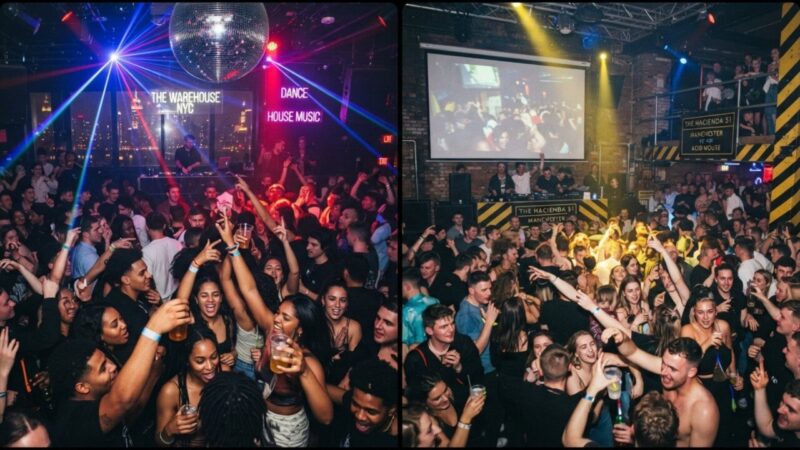

A Friday night in New York can mean a drink in Manhattan, a subway ride to a DJ set in Brooklyn, then breakfast as the city starts moving again. Manchester compresses the same possibility into a smaller footprint: drinks in the Northern Quarter, a club near Oxford Road or Deansgate, then late food largely reached on foot.
The main difference is scale and rhythm. New York nightlife feels sprawling, segmented, and destination-driven. Manchester feels denser, easier to improvise, and shaped by Britain’s pub-to-club tradition. Legal drinking age changes the crowd too: alcohol sales start at 21 in New York City and 18 in England.
New York vs Manchester Nightlife at a Glance
| Feature | New York City | Manchester |
| Legal drinking age | 21 | 18 |
| Geography | Spread across boroughs | Dense central clusters |
| Late-night alcohol | Generally until 4 a.m. | Depends on premises licence |
| Club heritage | Disco, punk, house, queer nightlife | Acid house, rave, indie, queer nightlife |
| Getting around | Subway, taxi, rideshare | Walking, taxis, buses, trams |
| Common rhythm | Often venue-led | Often moves between venues |
Both cities contain intimate bars, huge clubs, queer spaces, live venues, commercial nights, and experimental parties.
Beyond the club circuit, both cities also support a thriving adult companionship sector – from Escorts in Manchester to similar services across New York’s boroughs.
The Age Gap Changes the Crowd
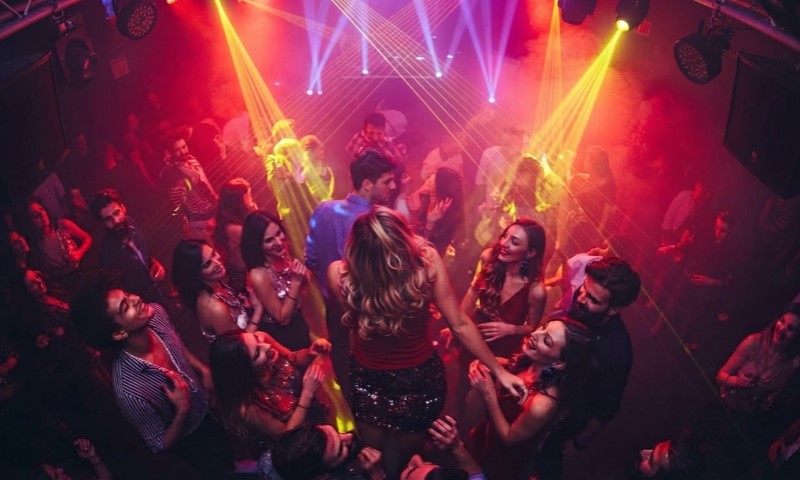
For an 18, 19, or 20-year-old visitor, the difference is immediate. New York City requires drinkers to be at least 21, according to NYC alcohol guidance.
England allows alcohol purchases from age 18, with limited exceptions for 16- and 17-year-olds drinking beer, wine, or cider with a meal and an accompanying adult under UK alcohol law.
Manchester nightlife therefore overlaps strongly with university life. Students can join the legal drinking economy from 18, so student nights form a visible part of the city’s club calendar.
New York separates much of its bar and club circuit from the under-21 population. Music venues may host all-ages or 18-plus events, yet alcohol-focused nightlife sits behind the 21-plus line.
Closing Time Works Differently
New York’s late-night reputation has legal backing. State rules generally prohibit on-premises alcohol sales during the overnight restricted period beginning at 4 a.m., subject to licence conditions and local restrictions. New York alcohol law sets out the framework.
Manchester operates under the Licensing Act 2003. Venues receive premises licences specifying their permitted hours, so the city has no single universal club closing time. Manchester City Council’s licensing policy describes midnight to 4 a.m. as the “late night economy.”
Both cities can run deep into the early hours. Manchester’s finish time varies considerably by venue and event.
Manchester Makes Club-Hopping Easier
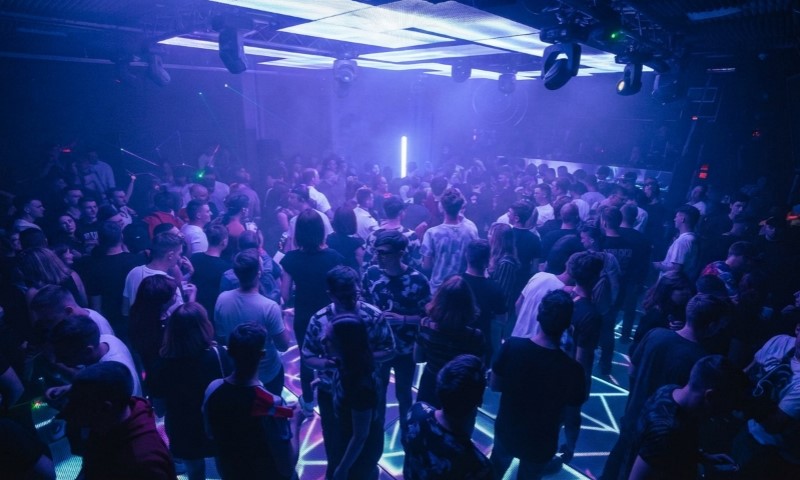
Manchester rewards spontaneity. The city’s nightlife guide highlights the Northern Quarter, Deansgate, Spinningfields, Canal Street, the Printworks, and Oxford Road. Several areas sit close enough together for a night to evolve on foot.
A group can begin with a pint, change plans, and reach another venue without turning the move into a logistical exercise. Pub culture fits that pattern, with social drinking often starting before the louder part of the evening.
New York requires bigger geographic decisions. Manhattan carries enormous nightlife weight, and Brooklyn neighbourhoods such as Williamsburg and Bushwick have major dance, live-music, and alternative scenes. NYC Tourism has highlighted Brooklyn’s mix of underground dance spaces, indie venues, bars, and performance-led nightlife.
A “night out in New York” can involve a real commute. Picking a neighbourhood becomes part of choosing the night.
Music History Still Shapes the Atmosphere
View this post on Instagram
Manchester’s club identity carries the long shadow of the Haçienda. The club opened in 1982 through Factory Records and New Order, becoming closely associated with house music and Britain’s rave era. The University of Manchester archive records material connected with the club and its place in the city’s music history.
The legacy remains visible in DJ-led events, electronic music, indie nights, and queer club culture. The Haçienda’s Flesh nights became an important part of Manchester’s LGBTQ+ club history, while Canal Street remains one of the city’s best-known nightlife districts. The university’s LGBTQ+ collections preserve material documenting that history.
New York’s lineage spreads across many venues. The Museum of the City of New York describes the city as a major incubator for disco, growing from gay clubs and loft parties before reaching the mainstream in the 1970s.
Paradise Garage, opened in 1977, became famous for Larry Levan’s DJing and its largely Black gay membership, a history explored by the Museum of New York.
Modern New York still reflects that variety, from experimental DJs and queer parties to hip-hop, punk, Latin music, and polished lounges.
Planning and Door Culture Feel Different
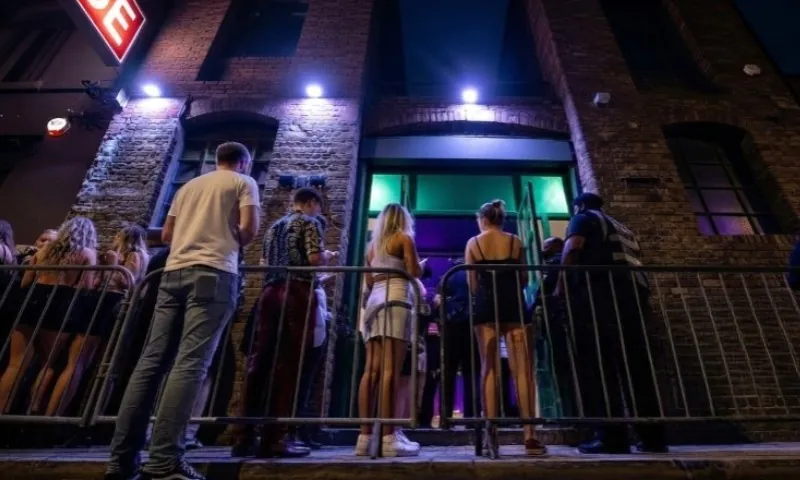
Manchester usually supports a looser evening. Tickets matter for major DJ bookings and live shows, yet plenty of nights can begin with no fixed destination.
New York often rewards advance planning. Distance matters, and venue policies vary widely. Some clubs revolve around ticketed lineups. Others use guest lists, reservations, dress expectations, or door discretion.
Clothing varies too widely for a citywide rule. Checking the actual event is smarter than assuming one dress code applies everywhere.
Getting Home Shapes the Night
New York has a major late-night advantage: New York City Transit runs around the clock. The MTA network operates 24 hours a day, 365 days a year, although overnight frequencies vary.
Manchester’s Bee Network now runs several night bus services into the early morning, with later service on several routes around the weekend. Taxis and ride-hailing still matter after regular tram and rail services finish.
Central Manchester’s compact geography helps. New York offers wider overnight mobility, with greater distances built into many nights out.
Which City Has the Better Clubbing Culture?
Manchester suits people who enjoy a social, walkable night with an easy progression from pubs and bars into clubs. Its scale encourages improvisation, and its musical history still gives many events a strong sense of scene.
New York suits people who enjoy abundance and specificity. A great night often begins with a clear idea of the music, neighbourhood, or venue experience being sought. The NYC Office of Nightlife says the wider nightlife economy supports nearly 300,000 jobs and generates $35.1 billion in economic impact.
Each city contains several nightlife personalities. Manchester packs a remarkable amount into a compact centre. New York spreads subcultures across a metropolis and rewards people who plan their route.
For visitors, a useful rule is simple: plan New York by neighbourhood and event. Plan Manchester by area, then leave room for the night to change direction.