
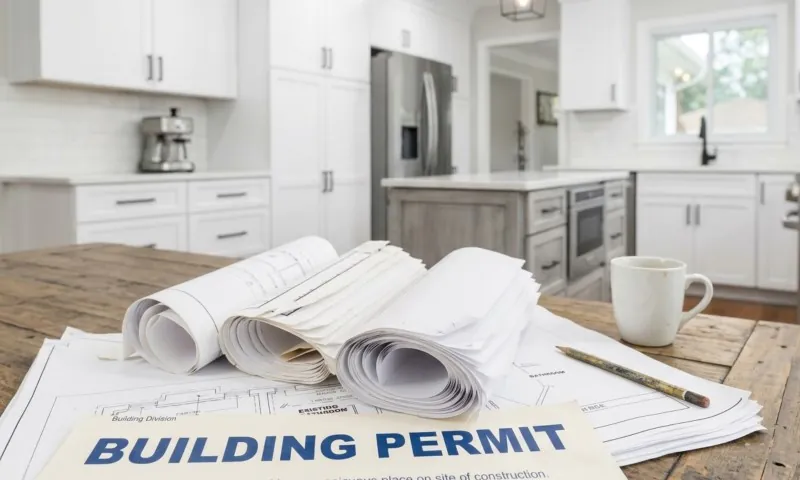

A kitchen renovation in New York City usually needs a Department of Buildings permit when the work goes beyond cosmetic upgrades. A DOB permit is commonly required if the project moves plumbing or gas lines, adds or relocates electrical outlets, changes ventilation, alters walls, or combines multiple construction trades.
Simple cabinet replacement, painting, plastering, and floor resurfacing may not need a DOB work permit, although contractor licensing rules can still apply.
NYC DOB guidance says most kitchen renovations require an ALT2-style filing when multiple work types are involved, filed by a New York State licensed PE or RA.
Quick Rule
The practical test is simple: if the kitchen renovation changes building systems, file with DOB. If the work only changes visible finishes, a DOB permit may not be needed.
NYC DOB separates cosmetic work from construction work. A new paint color, new cabinet fronts, replacement cabinets in the same layout, or floor resurfacing may be treated as minor work.
For homeowners using the renovation as a chance to refine the room’s look, English-style kitchen design in NYC can be a useful reference point for cabinetry, finishes, and custom detailing that do not automatically answer the permit question on their own.
A new sink location, dishwasher line, gas range relocation, vented hood duct, new dedicated appliance circuit, panel upgrade, or wall removal can move the project into DOB filing territory.
Kitchen Renovation Work: Permit Or No Permit?
| Kitchen Scope | DOB Permit Likely? | Practical Note |
| Painting, plastering, cabinet installation | Usually no | DOB lists all three as examples of work without a permit. |
| Resurfacing floors | Usually no | Surface work is usually different from structural floor repair. |
| Replacing sink or faucet in same spot | Often no, with limits | Ordinary plumbing rules can apply, but licensed plumbing may still be required. |
| Moving sink, dishwasher, or gas range | Yes | Plumbing or gas relocation usually triggers filing. |
| Adding outlets, circuits, or appliance wiring | Yes | DOB says electrical permits are required for most electrical work. |
| Removing or changing a load-bearing wall | Yes | DOB lists moving a load-bearing wall as a permit-triggering example. |
| New ducted range hood through wall or roof | Often yes | Mechanical or exterior penetration issues may apply. |
| Co-op or condo alteration agreement | Separate approval | Building approval does not replace DOB approval. |
For permit planning, the kitchen scope matters more than the word “renovation.” DOB’s own examples include rerouting gas pipes, adding electrical outlets, and moving a load-bearing wall as work that can require an ALT2 permit.
What Counts As Cosmetic Work?
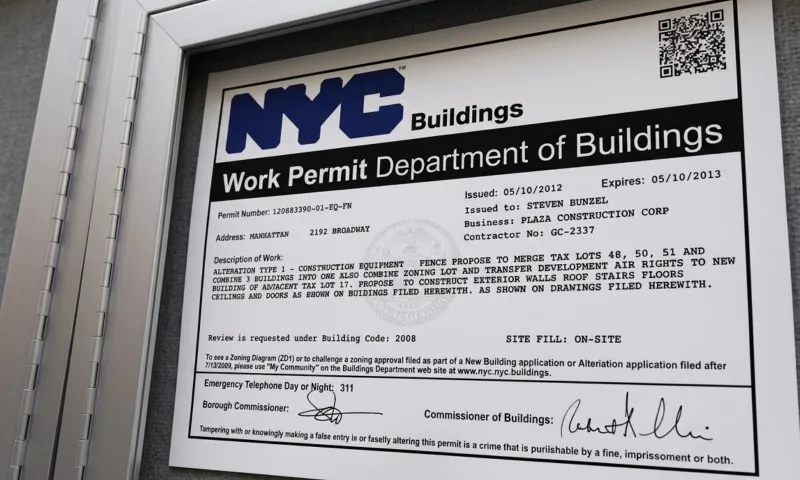
Cosmetic kitchen work changes appearance without altering plumbing, electrical, gas, structure, egress, or occupancy. Common examples include painting, plastering, cabinet installation, and resurfacing floors. DOB’s permit guidance places those tasks in the category of work that may avoid a permit.
A cabinet swap in the same footprint is the classic example. New boxes, doors, pulls, hinges, toe kicks, and panels can be installed without changing building systems. A countertop replacement is often treated similarly when the sink, plumbing, gas, and electrical layout stay put.
A warning belongs here: “no DOB permit” does not mean “no rules.” Contractors performing certain home improvements may still need a NYC Department of Consumer and Worker Protection home improvement license, especially for residential remodeling work above small repair thresholds.
When Plumbing Makes A Kitchen Permit More Likely
A kitchen renovation needs DOB involvement when plumbing work goes beyond a basic fixture replacement. Moving a sink from one wall to another, adding a pot filler, relocating a dishwasher, changing waste lines, or altering gas piping can require filing.
DOB uses the Limited Alteration Application, or LAA, for certain plumbing, fire suppression piping, and oil burner work that does not include construction work. A Limited Alteration Application is generally limited to repair or replacement of existing appliances and piping systems, and Licensed Master Plumbers are among the professionals allowed to submit it.
For a modest kitchen refresh, an LAA may cover limited plumbing work. For a larger renovation with carpentry, wall work, plumbing, gas, and electrical, a broader Alteration filing is more common.
When Electrical Work Requires A DOB Electrical Permit
Electrical work is one of the most common permit triggers in an NYC kitchen remodel. New appliance circuits, under-cabinet lighting tied into hard wiring, outlet relocation, GFCI upgrades involving new wiring, a new panel, or a range conversion can require a DOB electrical filing.
DOB says an electrical permit is required for most electrical work, including handling electrical wires in a residential home or business. Electrical installations must be performed by electrical contractors licensed by the Department of Buildings, and ED16A electrical filings go through DOB NOW: Build.
Plugging a new refrigerator into an existing compliant outlet is different from adding a new dedicated circuit behind the wall. The first may be an appliance swap. The second is electrical work.
Alteration, ALT2, And Alteration-CO

For many NYC owners, “ALT2” is still the familiar phrase. DOB’s kitchen and bathroom page says most kitchen and bathroom renovations require an ALT2 permit when multiple work types are involved and no change is made to use, egress, or occupancy.
In DOB NOW language, older ALT2 and ALT3 filings map to “Alteration,” while older ALT1 maps to “Alteration-CO.” DOB explains through DOB NOW FAQs that Alteration-CO applies when work changes use, egress, or occupancy, while Alteration covers multiple work types without such a change.
For a normal apartment kitchen renovation, Alteration is the more likely category. Alteration-CO becomes relevant if a project affects the legal use, occupancy classification, number of dwelling units, or egress path.
Why Asbestos Can Delay A Kitchen Permit
Older NYC buildings add another layer: asbestos review. Kitchen renovations that require DOB permits may also require asbestos documentation before permits can be issued.
Before permit approval, DOB says owners planning renovation, alteration, or demolition must determine whether asbestos-containing material is present in affected work areas. A DEP Certified Asbestos Investigator can assess the area, and owners must show DOB that asbestos requirements have been satisfied before a permit may be issued. DOB outlines those steps in its asbestos permit guidance.
For buildings constructed after April 1, 1987, asbestos exemption certification may be possible. For other permit applications, DOB asbestos requirements may involve an ACP-5 submitted to DEP by a Certified Asbestos Investigator, or an ACP-7 if the work constitutes an asbestos project.
Co-op And Condo Approval Is A Separate Gate
A co-op board, condo board, or managing agent can require drawings, insurance certificates, alteration agreements, work-hour limits, and neighbor protection measures even when DOB does not require a permit. Brick Underground notes that some boards require permits even when DOB might not mandate one.
In practice, many NYC apartment kitchen projects pass through two tracks: building approval and city filing. Board approval protects the building’s private rules. DOB approval addresses code, safety, inspections, and legal compliance.
What Happens If Work Starts Without A Permit?
View this post on Instagram
Unpermitted kitchen construction can become expensive fast. DOB states that construction without required approval or permits is illegal, and the most severe Class 1 violation can carry a $25,000 fine, plus added penalties and interest. The work may also need to be legalized or removed.
Open permits and unclosed inspections can also create resale problems. Buyers, attorneys, managing agents, and lenders often look for permit records when a renovated apartment changes hands.
Final Takeaway
A kitchen renovation in NYC needs a DOB permit when it touches the systems that make the kitchen function: plumbing, gas, electrical, ventilation, structure, egress, or occupancy. Cosmetic work can often proceed without a DOB work permit, but licensed contractors and building approvals may still matter.
Before signing a contract, define every scope item in writing: sink location, appliance locations, electrical plan, gas work, hood type, wall changes, flooring depth, asbestos status, and board requirements. In New York City, the permit question is rarely about the word “kitchen.” It is about what the renovation actually changes.