
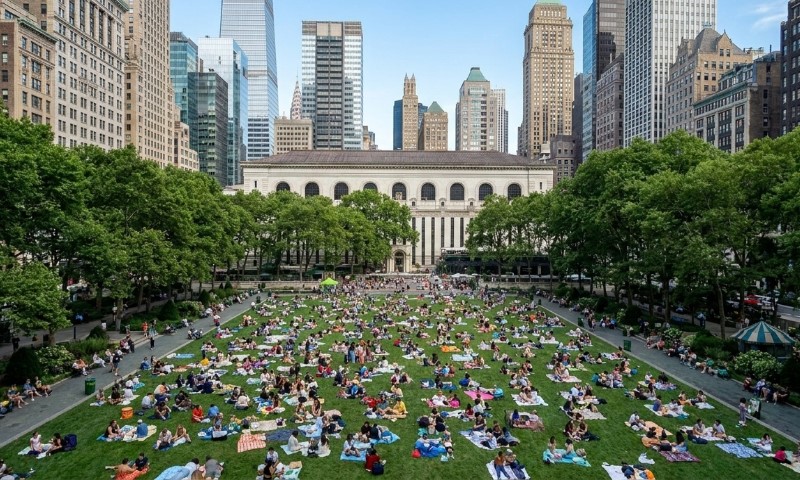

New Yorkers in 2026 divide their free time among neighborhood events, parks, live culture, dining, sports, streaming, gaming, and digital socializing. The clearest pattern is hybrid leisure: a free concert or museum visit may fill an afternoon, while a streamed series, mobile game, podcast, or group chat takes over later at home.
Cost strongly shapes each choice. Free park programs and library-linked museum access compete with Broadway, professional sports, restaurants, and paid subscriptions.
No single public dataset records every leisure minute for New York City residents, so the most reliable picture combines local participation figures with national time-use and media data.
According to the American Time Use Survey, Americans averaged 5.2 hours of leisure and sports activity per day in 2025, with television accounting for 2.6 hours.
A Snapshot of New York Leisure in 2026
| Leisure Option | Common Format | Typical Cost | Current Indicator |
| Park events | Concerts, fitness, movies, games | Free to low-cost | SummerStage presents more than 60 free and benefit performances annually. |
| Museums and cultural sites | Exhibitions, gardens, historic spaces | Free to premium | Culture Pass covers more than 100 participating institutions. |
| Live theatre | Broadway, Off-Broadway, local stages | Moderate to premium | Broadway recorded 14.6 million attendances during the 2025 to 2026 season. |
| Streaming | Series, films, sports, creator video | Free with ads to monthly fees | Streaming accounted for 47.6% of US television use in April 2026. |
| Gaming | Mobile, console, PC, social games | Free to premium | About 67% of Americans aged 5 to 90 played video games weekly in 2026. |
A single label such as “going out” or “staying in” no longer describes leisure very well.
Staying in can mean anything from watching a series to joining a multiplayer session or browsing international entertainment sites such as Jeetcity.
Many residents combine several formats in one day, choosing according to weather, travel time, ticket availability, and budget.
Free Events Keep Parks at the Center of City Life
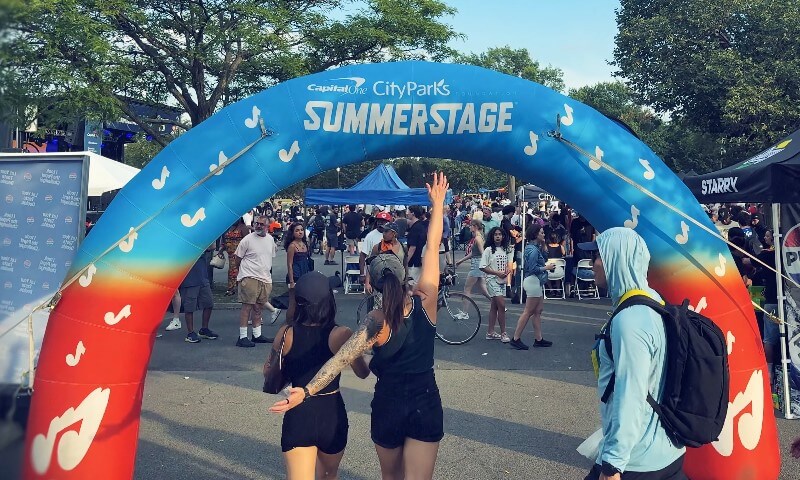
Free public programming remains one of the easiest ways to fill an evening or weekend. The NYC Parks calendar lists organized sports, fitness sessions, games, children’s activities, movies, and seasonal events across all five boroughs.
SummerStage offers a larger cultural example. The SummerStage festival presents more than 60 free and benefit performances in Central Park and approximately 12 to 15 neighborhood parks each year, reaching more than 227,000 people. Programming includes hip-hop, jazz, salsa, indie, reggae, Afrobeat, soul, and dance.
Bryant Park turns free programming into an after-work routine. Its 2026 movie season runs on Mondays from July 13 through September 14. The lawn opens at 5 p.m., and films begin at 8 p.m. Visitors may bring a picnic, while captions appear during every screening.
Chairs, tables, plastic coverings, and pets are barred from the lawn. Checking entry rules before leaving home can prevent delays or disappointment, especially when popular screenings attract large crowds.
Culture Remains Popular, but Price Changes the Format
Live performance continues to occupy a major place in New York nightlife. According to Broadway’s season results, the 2025 to 2026 season generated $1.91 billion in grosses, recorded 14.6 million attendances, and filled 90.8% of available seats across 13,416 performances.
Attendance includes tourists as well as residents, so the figure should not be treated as a measure of local participation alone. It still illustrates the scale of live theatre within New York’s wider entertainment economy.
Residents seeking lower-cost culture often rely on free performances, public library events, community arts programs, and reservation platforms. The Culture Pass program is among the most practical options.
Cardholders aged 13 or older from Brooklyn Public Library, Queens Public Library, or New York Public Library can reserve free admission to more than 100 cultural institutions.
Participating venues include the Metropolitan Museum of Art, Museum of Modern Art, Brooklyn Botanic Garden, Museum of the Moving Image, and smaller institutions across every borough.
Availability varies by venue and date. Advance booking is often useful for weekends, school holidays, and high-demand exhibitions.
Online Entertainment Fills Home Leisure Hours
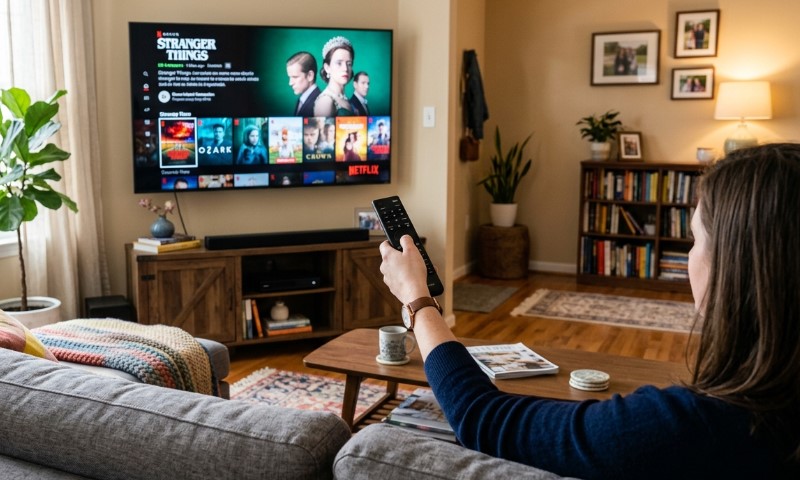
Streaming remains the largest home-entertainment habit measured by time. National time-use data for 2025 found that television accounted for half of average leisure time.
Games and leisure computer use averaged 37 minutes per day, up from 25 minutes in 2015, while socializing and communicating averaged 35 minutes.
The figures are national rather than New York-specific, but they provide a useful benchmark for residents fitting entertainment around work, family duties, long commutes, and irregular schedules.
According to Nielsen’s April 2026 report, streaming represented 47.6% of US television viewing during the month. YouTube led media distributors with 13.4% of total television watch time, while Prime Video benefited from NBA coverage, including a New York Knicks playoff game.
“Watching TV” now covers live sports, subscription series, free ad-supported channels, creator videos, and short clips displayed on a television screen. Viewing plans depend less on fixed broadcast schedules and more on personal queues, recommendations, alerts, and shared watch sessions.
Gaming Has Become Mainstream Social Time
Gaming in 2026 includes mobile puzzle games, sports titles, multiplayer sessions, virtual spaces, and casual play during subway or bus journeys.
The 2026 ESA report found that 212.3 million Americans, or 67% of people aged 5 to 90, played video games for at least one hour per week. Mobile was the most widely used device across every age group, reaching 80% of players.
Among parents who played video games, 81% had played with their children. Gaming can therefore function as family time and social interaction, rather than being limited to solitary entertainment.
The Entertainment Software Association represents game companies and reports national results, so its figures should not be presented as a New York City survey. Even so, the scale helps explain why mobile play, Discord groups, esports viewing, and home consoles now sit comfortably beside older city pastimes.
Budget and Life Stage Shape Every Leisure Plan

A practical New York leisure plan often starts with three questions: How much time is available? How far is the trip? What will the full outing cost?
A resident with two free hours after work may choose a park class, a neighborhood meal, or one episode at home. Families may gain more value from library programs, Culture Pass reservations, playgrounds, pools, and free festivals.
Nationally, adults aged 75 and older averaged 7.4 daily leisure hours in 2025. Adults aged 35 to 44 averaged 3.9 hours, the lowest total among the measured age groups. Work schedules, childcare, household duties, and commuting help explain why age and life stage affect how free time is used.
Three Realistic Leisure Combinations
- Low-cost evening: Attend a free Bryant Park activity, bring or buy a simple dinner, then stream a film at home.
- Cultural weekend: Reserve a museum visit through Culture Pass, stop at a neighborhood café, and attend a library talk.
- Social night: Visit a SummerStage concert, take the subway home, then join a multiplayer game or group watch session.
Weather also affects the balance. Hot summer days may push residents toward museums, cinemas, gaming, and streaming, while mild evenings increase demand for waterfront walks, rooftop gatherings, outdoor performances, and park screenings.
New York Free Time Is Increasingly Hybrid
New Yorkers still use the city itself as entertainment, especially its parks, stages, museums, libraries, waterfronts, restaurants, sports venues, and neighborhood gatherings. Streaming and gaming occupy a large share of home leisure at the same time.
The defining habit in 2026 is movement between both settings. A day may begin outdoors, continue at a cultural venue, and end online. The best value often comes from pairing one scheduled local activity with flexible home entertainment rather than treating going out and staying in as separate lifestyles.