
Buying a used car in New York requires more than checking mileage, paint, and price.
A valid inspection sticker matters because New York requires registered vehicles to meet minimum safety standards for public roads.
Most vehicles also need emissions inspection to help reduce air pollution.
A valid sticker only means the car met state requirements when inspected.
It does not prove the car is mechanically sound or worth buying.
Why Safety and Emissions Inspection Matters for Used Car Buyers
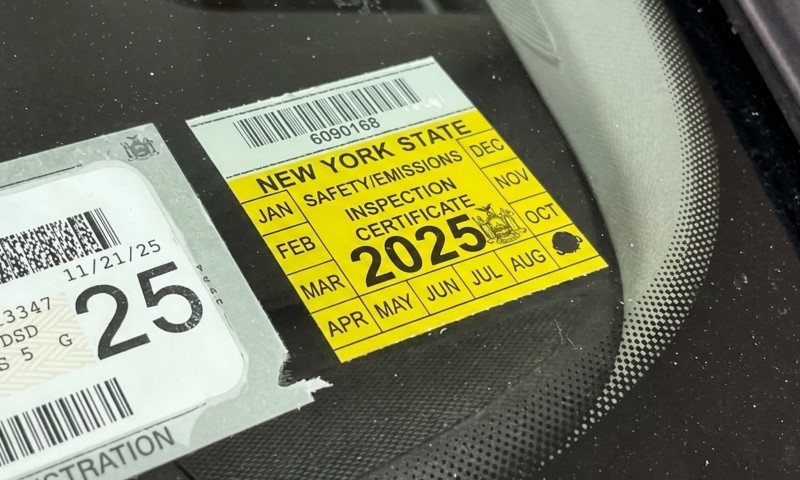
A missing or expired inspection sticker can delay registration, create transfer problems, or lead to tickets.
Buyers should check the title, registration, VIN history, recalls, service records, and current New York inspection sticker before judging the car by appearance.
New York City used cars can have extra wear due to tight parking, traffic, potholes, road salt, and slush. A clean exterior can hide suspension wear, brake fatigue, rust, or previous body repair.
Buyers comparing used vehicles with newer dealership inventory should still focus on inspection status, paperwork, and condition before making a decision.
For example, shoppers looking at Ford trucks Manhattan listings can use the same inspection mindset: check the sticker, review vehicle details, ask about service history, and look closely for wear tied to city driving.
Serious warning signs include:
- Heavy frame rust
- Mismatched paint
- Uneven panel gaps
- Dashboard warning lights
- Fluid leaks
- Uneven tire wear
A failed emissions test or active check-engine light can become the buyer’s problem after purchase.
What Does the Safety Inspection Check?
New York safety inspection covers major parts that affect road safety.
Brakes are checked for pedal reserve, brake fade, brake fluid leaks, brake lines, pads, rotors, calipers, parking brake, and brake balance.
At least one front wheel must be removed during the brake inspection.
Tires must have at least 2/32 inch of tread depth.
Inspectors also check for visible damage, fabric breaks, bulges, knots, and restricted-use markings.
Steering, suspension, chassis, frame, wheel fasteners, power steering, shocks, springs, and severe rust near suspension attachment points are also checked.
Lighting and visibility items include:
- Headlights
- Taillights
- Brake lights
- Turn signals
- Backup lights
- License plate lights
- Hazard lights
- Windshield
- Window glass
- Tint
- Safety glass
- Wipers and wiper blades
Other checked items include the horn, mirrors, seat belts, air bag warning lamp status, and fuel leaks. Any fuel leak that drips or pools is not acceptable.
What Does the Emissions Inspection Check?
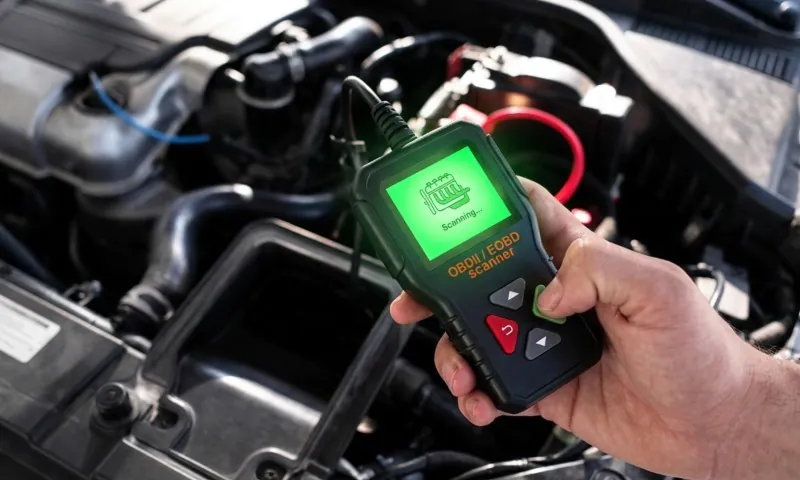
Most 1996 or newer gasoline-powered vehicles and most 1997 or newer diesel-powered vehicles under 8,501 pounds GVWR need an OBDII emissions inspection.
An OBDII test checks the malfunction indicator lamp, known as the check-engine light, and the vehicle’s onboard emissions diagnostic system.
Older eligible vehicles may receive a Low Enhanced emissions inspection.
Emissions control parts may include:
- Catalytic converter
- EGR valve
- PCV system
- Air injection system
- EVAP system
- Fuel inlet restrictor
- Thermostatic air cleaner
- Gas cap
A vehicle that fails emissions may not be registered or renewed until it passes the required inspection.
NY Inspection vs. Pre-Purchase Inspection
A New York state inspection is required by law. It checks safety and emissions compliance.
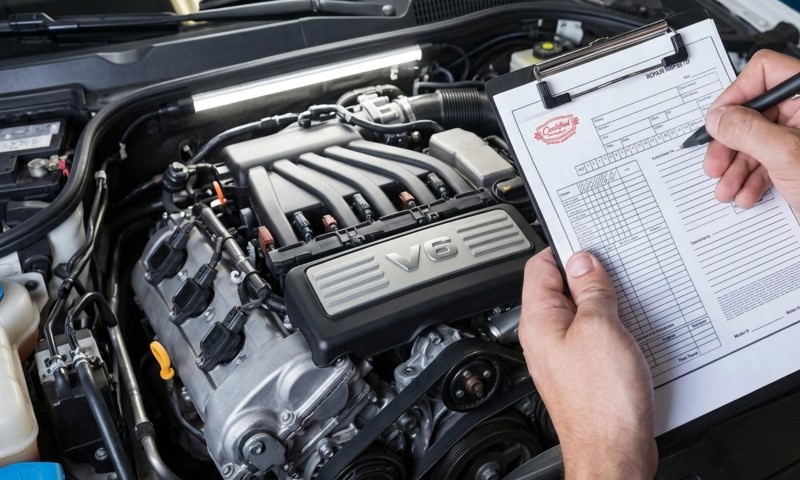
A pre-purchase inspection is optional. It helps the buyer decide if the car is worth buying.
A car can pass New York state inspection and still have expensive problems, including engine wear, transmission issues, accident damage, frame damage, flood exposure, cosmetic cover-ups, or repairs coming due soon.
A pre-purchase inspection can check:
- Engine condition
- Transmission behavior
- Brakes
- Suspension
- Electrical components
- Safety systems
- Visible body damage
- Road-test behavior, when available
New York state inspections are done by DMV-licensed inspection stations. Pre-purchase inspections can be done by independent mechanics, auto shops, or mobile inspectors.
Repairs are not included in either inspection unless separately approved and billed.
How Much Does a Car Inspection Cost in New York?
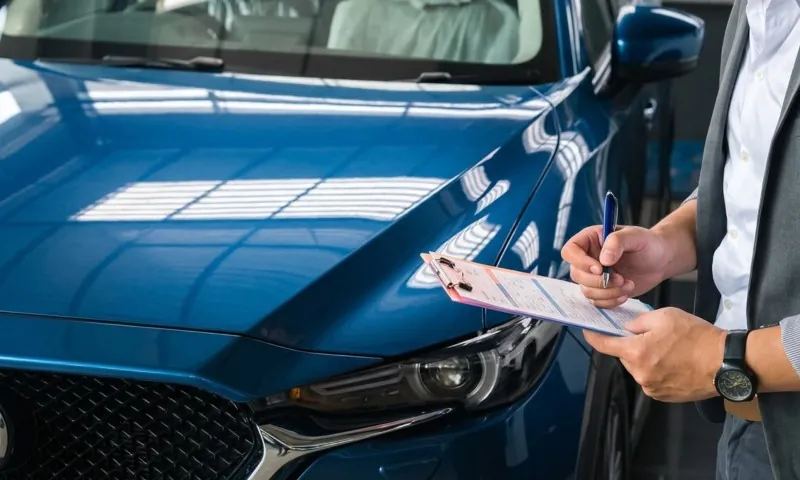
New York inspection fees depend on inspection type, vehicle type, region, and category. A car may need safety-only, emissions-only, or combined inspection.
CompareMechanic summarizes New York inspection costs at roughly $10 to $37, depending on inspection type.
Pre-purchase inspections cost more because they are more detailed. Third-party inspections commonly cost around $200 to $400, depending on location, vehicle type, and inspection depth.
Some mobile pre-purchase inspection services in New York advertise flat-rate inspections around $199.
Repair costs are separate. Failed inspection repairs can include brakes, tires, emissions parts, suspension work, rust repair, or diagnostic labor.
What Happens If the Car Fails Inspection?
If a vehicle fails safety or emissions inspection, the station must get the owner’s permission before making repairs.
An owner does not have to repair or reinspect the car at the same station. Repairs can be done at any registered repair shop, or the owner can make the repairs.
A new inspection is required before a sticker is issued.
A failed emissions inspection can also block registration or renewal unless DMV has proof that the vehicle passed the required emissions inspection within the last 12 months.
Inspection fraud is a misdemeanor. An inspector cannot knowingly issue a sticker without a full and proper inspection. A motorist cannot knowingly accept one.
Buyers should be cautious when a seller says the car “will pass inspection later.”
Used Car Buyer Checklist
Before buying, check both paperwork and vehicle condition.
Start with these items:
- Check the current New York inspection sticker and expiration date.
- Ask if the vehicle ever failed safety or emissions inspection.
- Check for check-engine, air bag, ABS, or other dashboard warning lights.
- Run the VIN through a vehicle-history source.
- Check for theft, total-loss history, title issues, and open recalls.
- Confirm that title and registration match.
- Review service records and repair invoices.
Inspect tires, brakes, lights, fluids, belts, hoses, battery, windshield, wipers, rust, leaks, heat, A/C, windows, and locks.
Meet the seller during daylight. Look at the car at a distance for mismatched paint, uneven gaps, and signs of collision repair.
A magnet can help spot possible body filler on steel panels.
Ask for an independent pre-purchase inspection before buying.
Red Flags to Watch For
An expired, missing, or suspicious inspection sticker is a serious warning sign.
A check-engine light should not be ignored. A recently reset system can also be a problem because emissions monitors may not be ready.
Seller behavior matters. Refusal to allow an independent inspection, pressure to buy quickly, vague answers, or claims that the car “will pass later” should raise concern.
Mechanical and paperwork red flags include:
- Heavy rust, especially on the frame or suspension mounting points
- Uneven tire wear
- Tire bulges or sidewall damage
- Windshield cracks
- Brake noise or soft pedal feel
- Fluid leaks
- No service records
- Unclear title history
- Title and registration mismatch
Summary
A New York safety and emissions inspection helps confirm that a used car meets basic legal safety and emissions standards.
It does not guarantee that the car is free of mechanical problems, hidden damage, or future repair costs.
Used car buyers should check the inspection sticker, review paperwork, watch for warning signs, and get an independent pre-purchase inspection before completing the sale.