
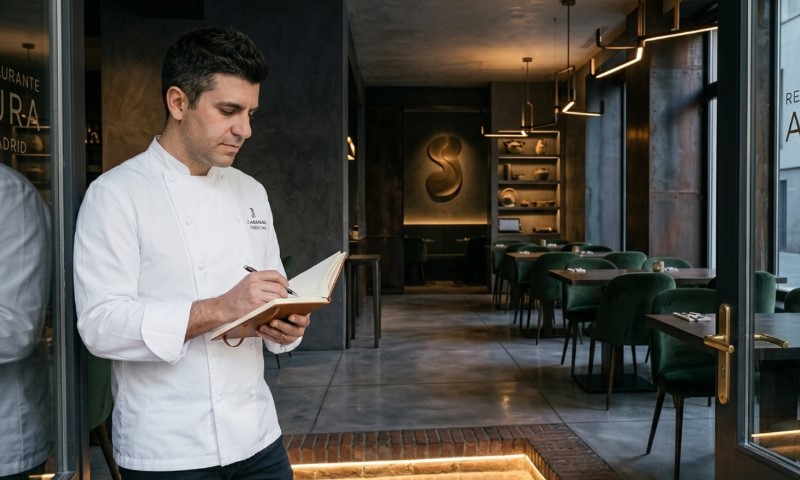

I’ve spent enough time around NYC hospitality to know that New York teaches business fast.
Run a door, and you learn psychology. Managing a bar, you learn cash flow, staffing, pressure, and timing. Own a restaurant, and you learn how hard it is to earn regulars.
Bartenders, servers, hosts, managers, promoters, nightlife operators, restaurant owners, and club owners do not need to start over.
Creating a room, reading people, managing pressure, and building repeat customers are business skills.
NYC gives those skills a market. Tourists, locals, corporate groups, founders, investors, creators, and regulars all spend money on access, taste, convenience, and trust.
New York is also expensive, competitive, and regulation-heavy.
So what businesses make the most sense when you already speak the language of hospitality?
Business Idea #1 – Travel Advising and NYC Travel Concierge

Travel advising is one of the clearest fits for hospitality people.
You already know how to build an itinerary. You have probably done it for friends, guests, promoters, clients, and out-of-town visitors for years.
Someone asks where to stay, where to eat, where to go after dinner, which night is best, which place is overrated, and who can help with a table.
That is travel concierge work.
A strong travel concierge is resourceful, well-connected, detail-oriented, and able to manage the moving parts of a client’s trip.
NYC locals do not only need help planning nights inside the city.
Many also want easy, well-organized trips outside the state, including cruises, Disney vacations, Universal trips, honeymoons, family getaways, and luxury escapes.
Yeti Travel Agency can organize those trips for clients who want professional planning, booking support, and a smoother experience without handling every detail themselves.
That kind of support doesn’t just include knowing good hotels and restaurants in the “Big Apple”.
Furthermore, It incudes supplier relationships, booking systems, client communication, compliance, commissions, and knowing how to turn recommendations into a real service business.
A hospitality-based NYC concierge business could plan:
- Weekend itineraries for couples, friend groups, and families
- Restaurant and nightlife plans
- Bachelor and bachelorette trips
- VIP dinner-to-club experiences
- Corporate visitor itineraries
- Brooklyn and Manhattan culture weekends
- Hotel, dining, driver, ticket, and private experience coordination
Travel concierge work can include transportation, dining reservations, premium event tickets, tours, attractions, and special experiences. Hospitality people already deal with many of those pieces.
NYC is ideal because visitors do not need another generic list. Millions of people visit the city, and locals also keep looking for new food, rooms, shows, plans, and access.
New York welcomed 64.3 million visitors in 2024, reaching 97% of its 2019 record level, with tourism generating about $79 billion in total economic impact and more than $51 billion in direct traveler spending.
That makes travel advising and NYC concierge work more than a side idea. It sits inside one of the city’s largest spending engines.
U.S. Travel Association projects total travel spending to reach $1.37 trillion in 2026, with domestic travel accounting for 87% of the total. For a hospitality person in NYC, who supports travel advising as a real service category, not just a favor people ask for over text.
For someone like me, travel planning is hospitality without being tied to a lease.
Revenue can come through flat itinerary fees, premium planning packages, corporate retainers, referral relationships, white-glove weekend packages, membership models, and repeat visitor planning.
Some travel concierge businesses may need permits or industry-specific registration.
Business Idea #2 – Private NYC Food, Bar, or Nightlife Tours
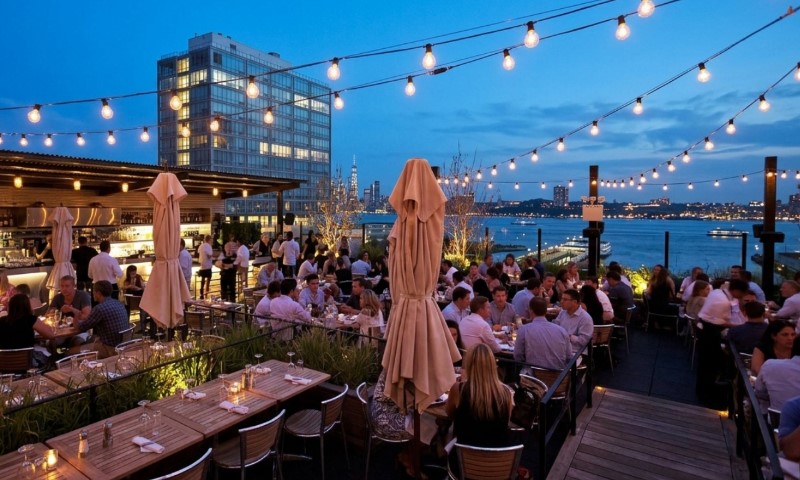
Private tours turn local taste into a paid product.
Anyone can walk visitors around New York. A hospitality person can host the night.
Hosting means knowing when to move, when to pause, what to order, how to read group energy, how to avoid dead time, and how to make people feel cared for.
A private NYC food, bar, or nightlife tour could focus on:
- Brooklyn natural wine bars
- Old-school steakhouse nights
- Williamsburg cocktail walks
- Corporate food crawls after work
- Date-night planning
- Immigrant food neighborhoods
- Private nightlife hosting for visitors
- Photo walks that end with drinks or dinner
Private tour guides can build custom experiences around traveler interests, especially in cities where local knowledge has value.
Guides who know hard-to-find spots, neighborhood timing, and local businesses can give visitors an insider experience while supporting restaurants, bars, shops, and venues.
NYC makes niche tours easier because the city has so many customer groups.
A tour can focus on food culture, nightlife, queer bars, immigrant neighborhoods, old-school restaurants, fashion crowds, gallery nights, cocktail history, music rooms, private dining, or client entertainment.
Money is not in showing people “New York.” Money is in showing them your New York.
Certifications may help build credibility depending on the tour format. Relationships with local businesses can also improve seating, timing, tastings, and access.
NYC says a Sightseeing Guide license is needed to guide people to points of interest or describe, explain, or lecture about those places during a sightseeing trip or tour inside the city.
That matters for hospitality people who want to turn local knowledge into a paid walking tour, food tour, or culture-focused experience.
Business Idea #3 – Event Planning and Private Experience Production
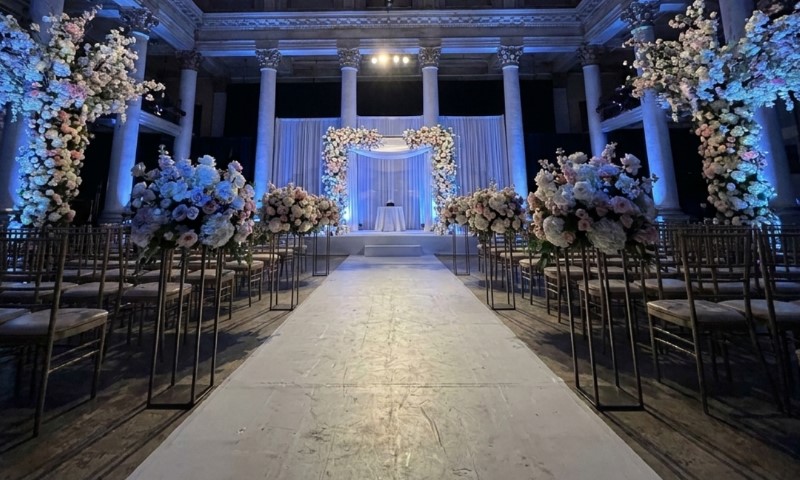
Event planning is controlled chaos with a budget, which makes it a natural move for hospitality people.
If you can run a Saturday night in a busy room, you can run an event.
You already know timing, flow, vendors, music, food, drinks, staff, lighting, entrances, exits, guest mood, and how quickly one weak detail can hurt the night.
Former club owners and nightlife operators have another edge. Crowd control, atmosphere, sound, pacing, security, and room energy are already part of the work.
An event and private experience business could produce:
- Private dinners
- Brand launches
- Supper clubs
- Corporate mixers
- Wedding afterparties
- Birthday and VIP nightlife packages
- Apartment, loft, rooftop, and gallery events
NYC rewards memorable experiences, but real estate costs make a heavy lease risky.
An asset-light model can work better. Instead of opening a venue right away, an event producer can partner with restaurants, bars, rooftops, galleries, hotels, members’ clubs, production teams, and private spaces.
A private event is hospitality with a clearer client, a clearer budget, and a clearer outcome.
The U.S. Bureau of Labor Statistics projects employment for meeting, convention, and event planners to grow 5% from 2024 to 2034, with about 15,500 openings per year on average.
For hospitality people that supports event planning as a serious business path, not just a side hustle.
Insurance, venue contracts, alcohol rules, staffing compliance, food handling, and permits can all affect the business.
NYC businesses need proper registration, city permits, licenses, and paperwork.
Business Idea #4 – Restaurant, Bar, or Hospitality Consulting
Hospitality consulting makes sense for former owners, managers, operators, and senior staff because new businesses need practical help.
Many restaurants do not struggle because the food is bad.
Experienced hospitality operators can advise on:
- Opening planning
- Staff training
- Guest experience audits
- Menu and pricing review
- Reservation flow
- Private event sales
- Nightlife programming
- Vendor setup
- POS selection
- Launch checklists
- Permit preparation
NYC businesses need a clear plan, local market research, competitor awareness, and sharp customer knowledge.
New York has more than 50,000 restaurant locations, nearly $100 billion in restaurant and foodservice sales, and more than 850,000 restaurant and foodservice jobs statewide.
That gives experienced operators room to sell consulting around openings, staffing, guest experience, margins, private events, and systems.
Experienced operators can help new founders avoid mistakes that are obvious to anyone who has worked in the weeds.
Culinary Agents’ top NYC list points to a bigger truth: talent and customers care about brand gravity.
High-standard restaurants, destination bars, luxury hotels, bakeries, and hospitality groups attract attention because they have identity, systems, and credibility. Food alone is not enough.
A good consultant in this space is not someone with a clipboard.
It is someone who has handled a bad night, trained a team, watched margins, dealt with vendors, fixed complaints, and kept regulars coming back.
Business Idea #5 – Private Dining, Supper Club, or Chef-Led Experience Brand

Private dining works in NYC because people do not just buy dinner. They buy access, story, energy, and the feeling that they were in the right room.
Hospitality people know how to create that feeling.
A supper club is not only about food. It is about pacing, lighting, seating, music, introductions, menu flow, drinks, and the social contract in the room.
Global culinary tourism was valued at $11.5 billion in 2023, and demand has been tied to people seeking exciting food and drink experiences.
NYC sits at the center of that demand because the city attracts travelers, locals, chefs, creators, brands, and diners who want something personal and harder to access.
A private dining or chef-led experience brand could take several forms:
- Monthly Brooklyn supper club
- Chef collaboration dinners
- Members-only tasting events
- Brand-sponsored dinners
- Cultural food nights
- Wine, cocktail, or mezcal pairing dinners
- Cooking-class style experiences for visitors
Cooking classes and intimate food events can also work for travelers who want a more local experience. Strong teaching ability, storytelling, hospitality, and food knowledge matter.
NYC hospitality already proves how much people value experience and access.
Fine dining, destination bars, luxury hotels, bakeries, restaurant groups, and event companies all pull attention when they create a clear identity.
A supper club works when it feels like something you were lucky to get into.
Why Hospitality People Have an Advantage in NYC
Hospitality people are already trained entrepreneurs.
Nobody who has worked in a real NYC room needs a lecture on pressure.
You have dealt with late vendors, short-staffed shifts, impossible customers, last-minute VIPs, broken systems, bad weather, slow nights, busy nights, and people who want a perfect experience without seeing the labor behind it.
NYC rewards those skills because the city moves fast and runs on relationships.
That matters because NYC is not only a market for large hospitality groups. NYCEDC defines small businesses as firms with fewer than 50 full- or part-time employees, based on state labor tax records.
Many hospitality opportunities live inside that smaller operator world: lean teams, neighborhood businesses, solo founders, new restaurants, private event producers, consultants, and service-based brands.
Industry events, meetups, mentors, partners, and investors can help a small business grow, but only if you know how to talk to people and follow through.
In the 2024 Small Business Credit Survey, rising costs were the most cited financial challenge, while reaching customers and growing sales were the most common operational challenges.
Hospitality people already work inside that problem every night: attracting attention, earning trust, and getting people to come back.
Local knowledge matters too. A business in Williamsburg does not behave exactly like a business in Midtown, Bushwick, Soho, or the West Village.
Neighborhood behavior, customer habits, local competition, and city rules all affect how a business works.
Those are brands with gravity. Culinary Agents’ “I Want To Work Here” feature also lets hospitality talent send digital resumes and message hiring teams even when no open role is listed. Reputation creates opportunity before a job exists.
FAQs
Summary
Start with the business that uses the relationships, instincts, and credibility you already have.
For someone coming out of The Social Brooklyn world, travel advising, concierge work, private experiences, and event production make the most sense.
In NYC, hospitality is not just an industry. It is a language. If you already speak it, you can build with it.